

Learn the Structure Behind Voice AI Design
View CoursesWhat Learners Can Take From the Journey
-

Clear Structure
Study Voice AI Design through organized modules that separate complex ideas into clear learning sections.
-

Voice Flow
Learn how conversations can move from opening responses to follow-up paths and closing direction.
-

Tone Planning
Explore how wording, rhythm, and response style can shape prominnent voice-based communication.
-

Practical Review
Use examples and checkpoints to examine response structure, user intent, and conversation clarity.


Thoughtful Voice Design for Curious Learners
Notes From the Voice Design Journey
-

Robert Reed
Robert wanted to study Voice AI Design for creative digital projects, but his early notes were scattered across tone ideas, sample prompts, and unfinished conversation paths. He found the format useful because each section focused on one topic at a time, making the materials easier to review and compare. “I liked how the lessons separated flow, tone, and framing instead of mixing everything together.”
-

Tim Garrity
Tim came with an interest in voice-based AI interactions, but he felt unsure about how to organize user intent, tone, and response flow into one clear plan. The course materials showed how a voice response can be shaped step by step before becoming part of a larger interaction. “The structure helped me slow down and think about the purpose of each response before writing it.”
-

Mira Hawthorne
Mira started with a background in writing and wanted to understand how voice AI responses could feel clearer when spoken or followed in sequence. The explanations were useful because they connected wording, rhythm, and user direction without making the subject feel overly technical. “The tone planning sections helped me notice small wording choices I had not paid attention to before.”


Guided Paths Through Voice AI Design
-
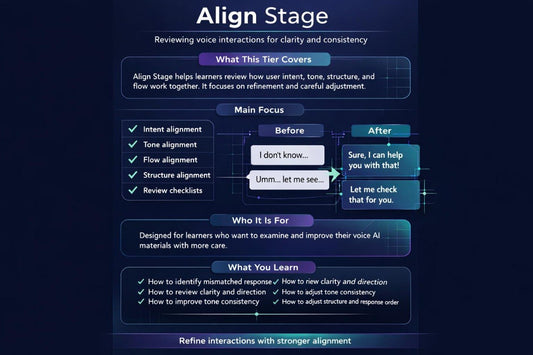
Align Stage
Regular price €244,00 EURRegular price -
-
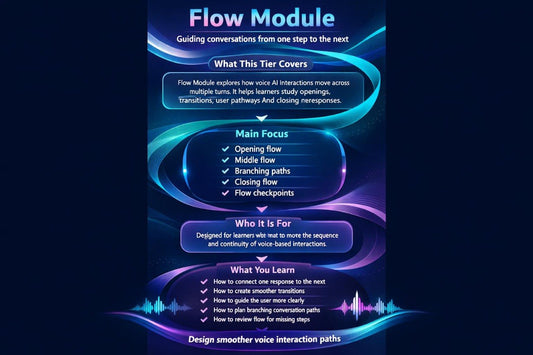
Flow Module
Regular price €174,00 EURRegular price -
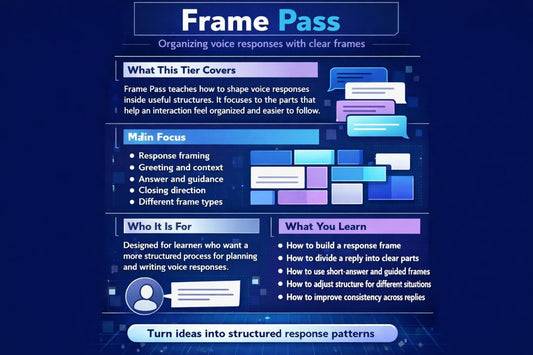
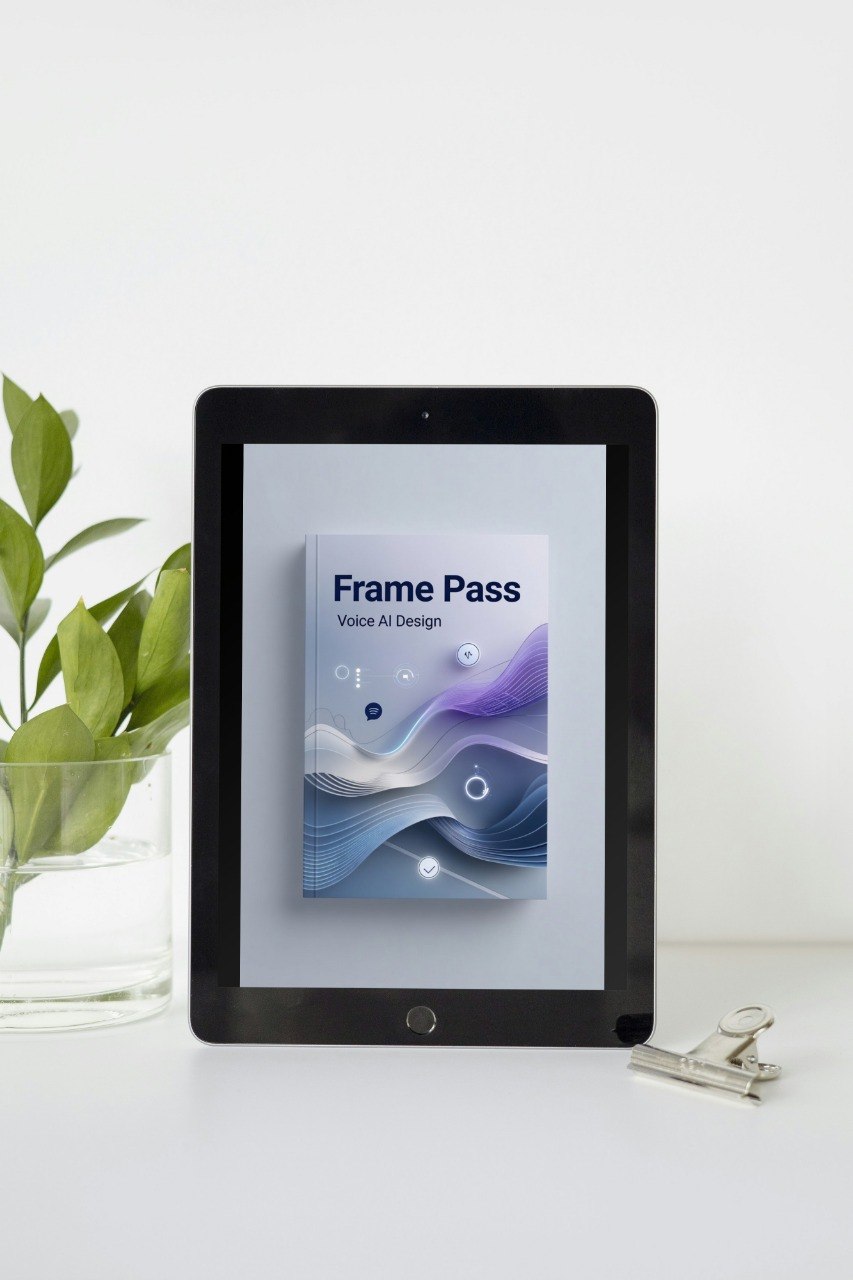
Frame Pass
Regular price €119,00 EURRegular price




Built From a Love of Clear Digital Conversation


30-days refund guarantee
Available on all devices


Begin With a Free Voice Design Resource
The Minds Behind the Voice Flow
-

Thomas Oliynyk
Voice Interaction Designer
Thomas studies how voice-based AI responses can feel clear and organized. He focuses on user intent, response order, and conversational rhythm. His work centers on shaping smoother voice interaction paths for learning and guidance.
-

Sadie Ortiz
Speech Response Editor
Sadie is responsible for reviewing and refining voice AI responses for structured wording. She focuses on sentence rhythm, response length, and useful phrasing. Her role helps make voice materials easier to follow during review.
-

Column
Voice UX Researcher
Sienna studies how users may experience voice-based AI interactions. She reviews response clarity, listening comfort, and interaction structure. Her role focuses on gathering useful observations for better design decisions.


