


Vocalunexora
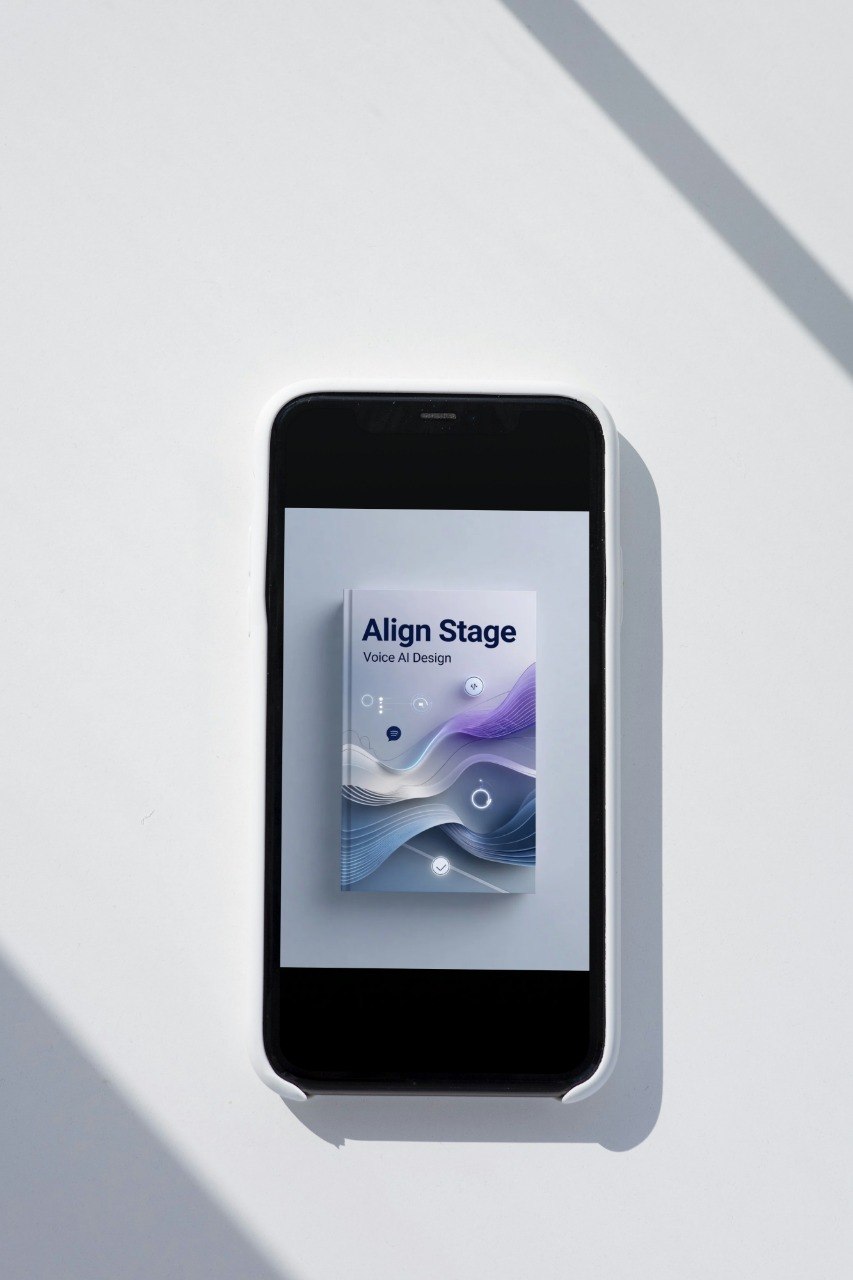
Align Stage
Align Stage
Couldn't load pickup availability
- 📁 Digital file available after purchase
- 🗂️ Long-term availability
- 🔐 Secure checkout
- 🗓️ Content updated in 2026
Self-paced learning overview
Problem Statement
Voice AI Design can become uneven when tone, structure, and user intent do not match each other. A response may sound friendly but fail to answer the user clearly, or it may include useful information while feeling too sharp, too long, or out of place. Learners may also struggle to keep several interaction parts aligned across a longer conversation. When alignment is weak, the user path can feel confusing because the response style changes without a clear reason. Align Stage addresses this by helping learners review and adjust voice interactions so each part supports the same design direction.
Solution
Align Stage gives learners a structured way to check whether a voice AI interaction is working as one connected experience. The materials explain how to align user intent, response purpose, tone, flow, and closing direction. Learners study how to review a response before, during, and after writing it. This tier also introduces adjustment methods for improving clarity, reducing mismatch, and making response paths easier to follow. The course supports learners who want to move from building response formulas toward reviewing and refining fuller voice design materials.
What’s Inside
Inside Align Stage, learners explore how to review voice AI interactions through alignment thinking. The course begins by explaining what alignment means in Voice AI Design: making sure that the user’s need, the response style, the information order, and the next step all work together.
The materials cover several alignment areas. Intent alignment helps learners check whether the response answers the real user need instead of only reacting to surface wording. Tone alignment focuses on matching response style to the situation, such as guidance, explanation, correction, or confirmation. Flow alignment helps learners review whether each response naturally connects to the next part of the interaction. Structure alignment focuses on the order of information, response length, and whether the message is clear enough for a voice-based format.
Align Stage also includes examples of mismatched interactions. Learners review responses where the tone does not fit the user’s request, where the closing direction feels abrupt, or where too much information appears before the main answer. These examples are followed by revised versions that show how small changes can create a more balanced experience.
The tier includes practice worksheets for reviewing short and medium-length voice interaction drafts. Learners are guided to mark unclear sections, identify tone shifts, check whether the user intent is being answered, and rewrite parts that feel disconnected. The course also introduces alignment checklists that can be used before expanding into larger conversation designs.
By the end of this tier, learners will have a clearer review method for improving voice AI materials. Align Stage helps learners study not only how to create responses, but also how to examine and adjust them with more care.
Who is this for?
Align Stage is for learners who already understand voice response frames, flow, tone, and formula-based planning. It is suitable for creators, writers, learning material builders, and digital communication learners who want to improve how voice interactions are reviewed and refined.
What You’ll Learn
- How to align user intent with response purpose
- How to match tone direction to the user’s situation
- How to review flow across several voice responses
- How to identify mismatched or disconnected interaction parts
- How to adjust response length, order, and closing direction
- How to use alignment checklists during review
- How to revise voice AI drafts with clearer structure
- How to make interaction paths feel more consistent and organized
Guarantee
Align Stage includes a 30-day money back option for eligible purchases according to the store refund policy. This provides a risk-free way to review the materials and decide whether the course format fits your learning needs.
Share
What are Vocalunexora course tiers about?
What are Vocalunexora course tiers about?
Vocalunexora course tiers focus on Voice AI Design guides, including conversation structure, response planning, tone direction, user flow, and practical design thinking for voice-based interactions.
Do I need previous experience before starting?
Do I need previous experience before starting?
No previous experience is required for the early tiers. The materials are written in a clear, structured way so learners can begin with core ideas and move toward deeper design topics over time.
Can I study at my own pace?
Can I study at my own pace?
Yes, the materials are made for self-paced learning. You can read, review, and revisit the modules whenever it fits your study routine.


Send Us Your Course Questions
- Choosing a selection results in a full page refresh.
- Opens in a new window.